

Digital Product Passports: Creating customer value through transparency and traceability
The EU's Digital Product Passport (DPP) is expected to take the form of a structured digital record holding lifecycle data for each product in a standardized format. Introduced under the Ecodesign for Sustainable Products Regulation (ESPR), its proposed data points include material composition, carbon footprint, repairability, and end-of-life instructions. The aim is to make that information available to whoever handles the product next, which in turn supports more efficient remanufacturing, second-life applications, and better recycling outcomes.
Iron and steel as intermediate products have been identified as priority categories, which means manufacturers working in steel are likely to see requirements before most other sectors.
Much of the detail is still being worked out. The exact scope, format, and implementation requirements are still evolving, which makes it tempting to wait for the finished version before doing anything.
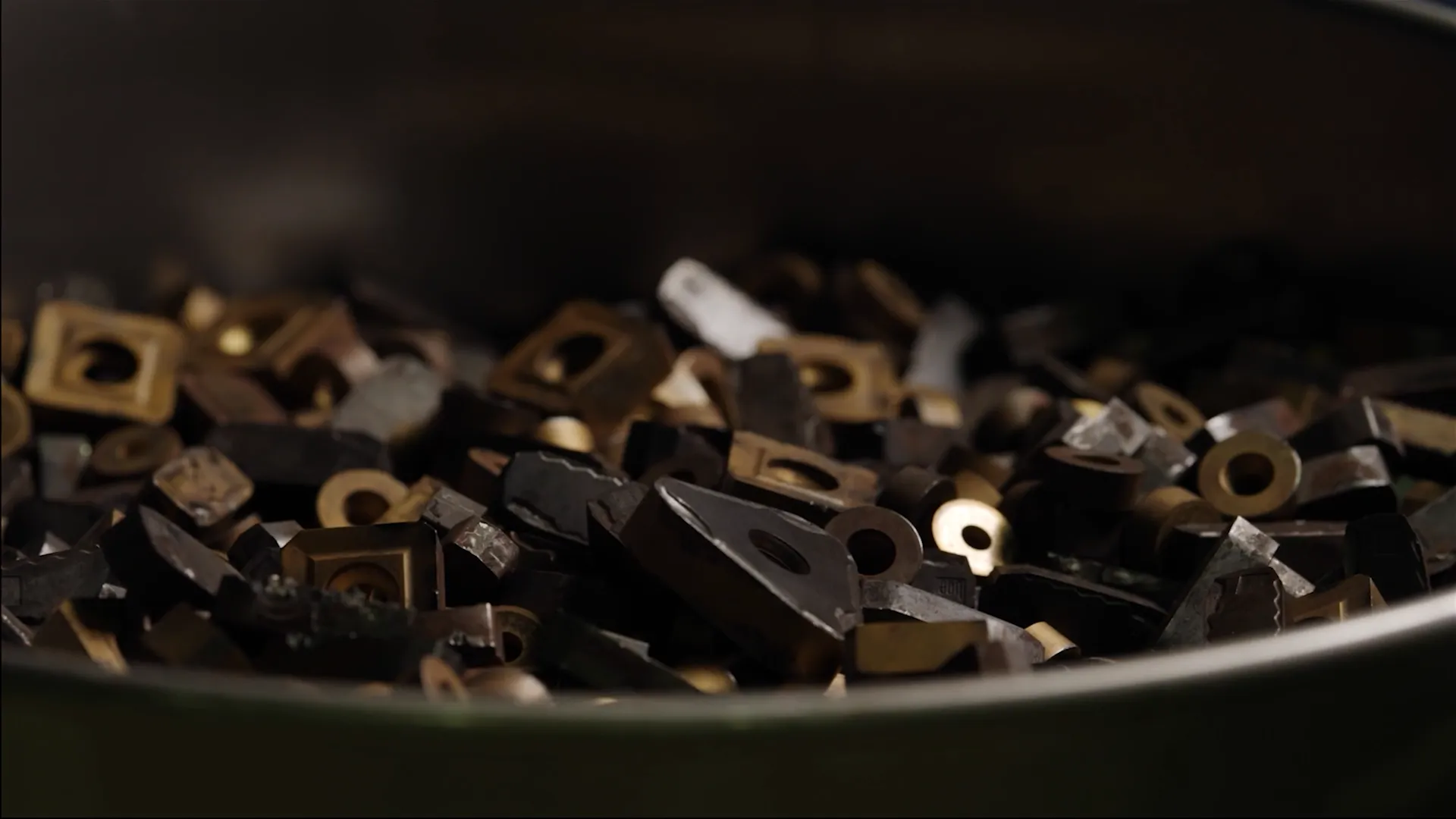
Why your customers may ask before the regulator does
DPP is designed so that this information travels with the product rather than being requested each time. Until those records exist across the chain, though, customers already in scope will be asking their suppliers directly. If you supply components to someone who has to produce a passport before you do, what you can tell them about material and origin becomes part of what they're buying.
Most of this information already exists, just not in one place
What a product is made of, how it was made, how it performed, and what should happen at the end of its life are things most manufacturers already know in some form. The difficulty is that those answers tend to live in different places, and a passport is only as good as the connections between them.
Our manufacturing wellness report, based on responses from nearly 1,000 manufacturers, suggests those connections are thin. Only 30% report a truly seamless flow of manufacturing or process data across their operations. For the remaining 70%, teams work primarily with their own datasets and share reactively when someone asks. That holds up day to day, but gives way the moment one record has to be assembled from all of them at once.
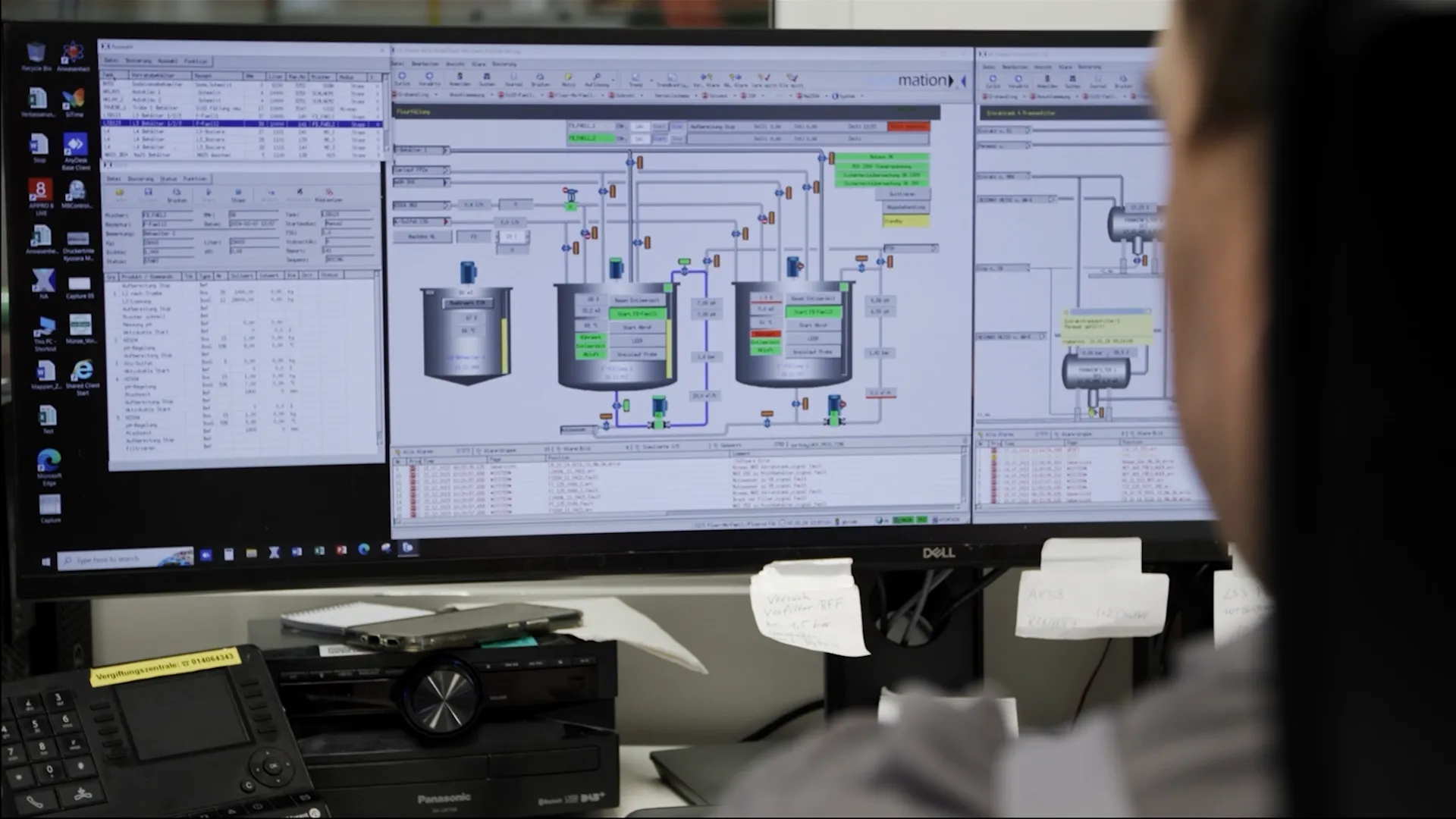
Why DPP will go beyond the sustainability team
DPP looks like a sustainability initiative, and it's a reasonable place to file it. In practice it reaches across compliance, IT, operations and product teams, and procurement. Each holds a piece nobody else can supply.
Product owners need to establish what can and should be disclosed. IT needs to assess whether existing systems can structure, store, and exchange the data. Operations and product teams determine whether accurate data gets captured at the source. Procurement shapes how much upstream transparency suppliers are willing to provide.
What you can do before the rules are final
You can't build to a spec that doesn't exist yet. What you can do is find out what you already hold, where it lives, what condition it's in, and which parts of the record you currently can't produce. That answer doesn't change when the format is published.
Sandvik's own battery passport gives a sense of the shape of the work. Development began in 2023 inside the mining business area, starting with a minimum viable product rather than a company-wide system, and has moved in stages since, from defining the underlying architecture toward a scalable solution intended to support all divisions. What it produces is end-to-end material traceability, which supports responsible sourcing of critical raw materials, improves the accuracy of carbon footprint reporting, and makes second-life and recycling decisions easier because composition and handling information travels with the product.
The useful part of that example is the narrowness. One business area, one product type, one working record. You can start where the data is already good and get something working fastest, or where the gap costs you most and get the bigger return.
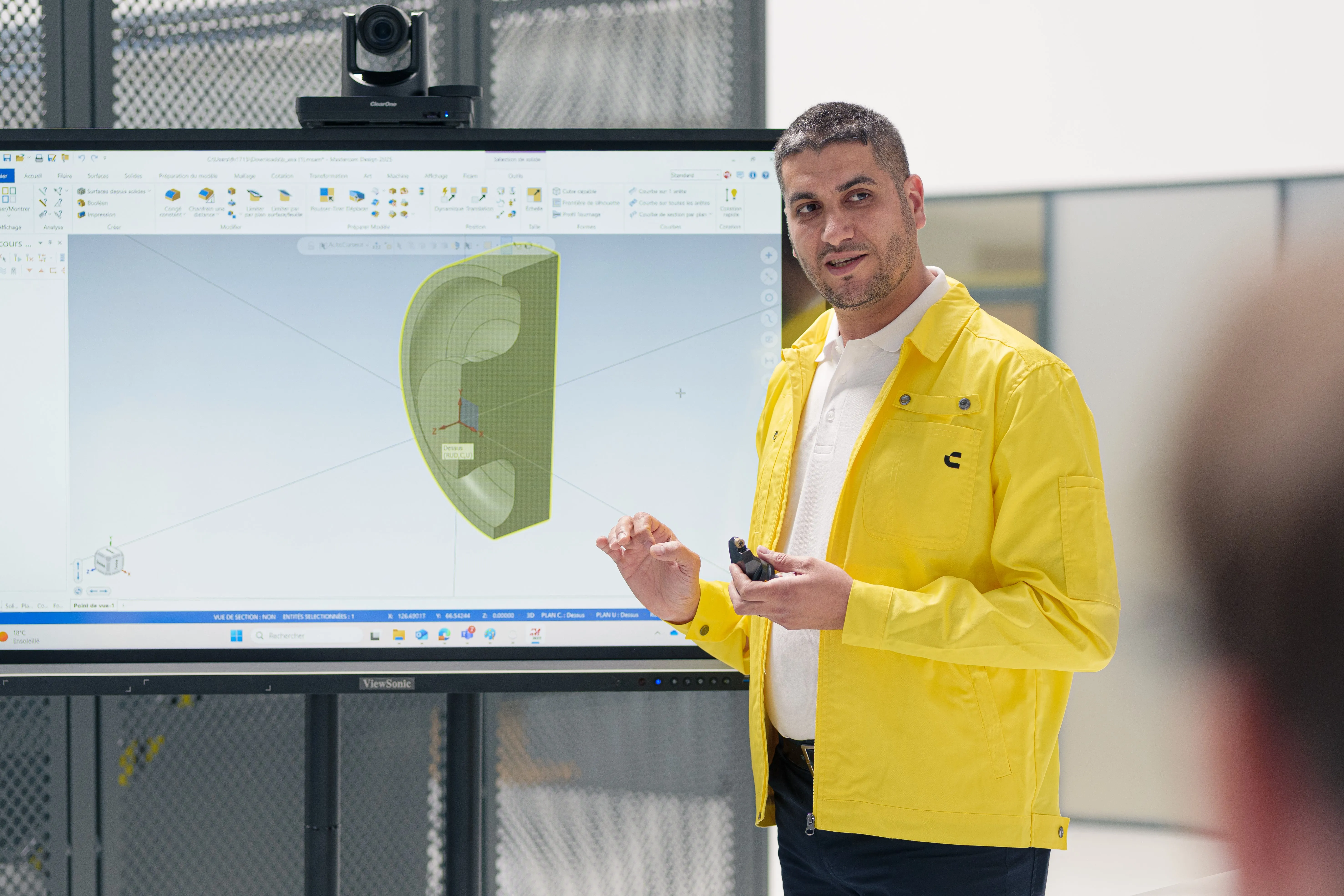
How we’re working on this with partners
Sandvik Coromant is part of the Digital Metal Value Chain collaboration coordinated by the industrial research institute Swerim, working with partners across the steel value chain on how material composition, environmental performance, and chain of custody can be structured and shared in practice. We're also running pilots with Chaintraced on connecting product, sustainability, and traceability data. Both are about testing real use cases and finding where the data gaps actually are, rather than waiting to be told what to build.
DPP will ask for a record of what you make. Most manufacturers can already answer a good part of it, just not in one place and not on demand. The work between here and there is mostly connection, and that work is worth doing whether or not a delegated act ever asks for it.
