
When one scrapped component is too many
Effects of poor component quality
Having the right quality for each part that is produced is critical. Producing components according to quality expectations minimizes scrap. This becomes especially important when machining expensive, high-value components. The impacts you are trying to avoid:
- Increased scrap rate
- Longer time to produce a batch
- Higher production cost and lower profit

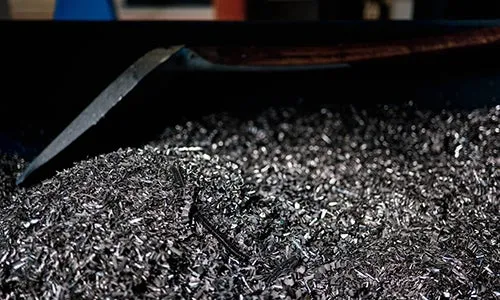
What would zero scrap mean to your business?
When working with advanced production of complex components, the raw material itself is expensive, and after hours of machining, the value of the part is very high. Leaving no room for error.
Common culprits and possible improvements
| Challenge | Possible solutions |
| Faulty simulation before machining starts | Auto-generated 3D models for accurate programming and simulation |
| Wrong choice of tool or cutting data | Data-driven recommendations based on your component feature, material and machine |
| Unstable machining process | Modern tooling concepts with predictable and secure performance |
| Suboptimal tool path | NC code generated from software ensuring optimal tool path |
3 potential areas to explore
1. Improve machining predictability
- Secure machining processes without unexpected disruptions
- Timely tool changes and no unexpected damage to the component
2. Increase automation
- Automated NC code and tool model creation ensure that optimal tool paths are used, and remove potential discrepancies between digital twin environments and the real workshop
- Automate manual repetitive tasks in process and operations planning to avoid human errors
3. Access data and best practice
- Avoid quality issues by accessing correct data, such as cutting parameters and machining input, and by utilizing knowledge and best practices in operation planning